
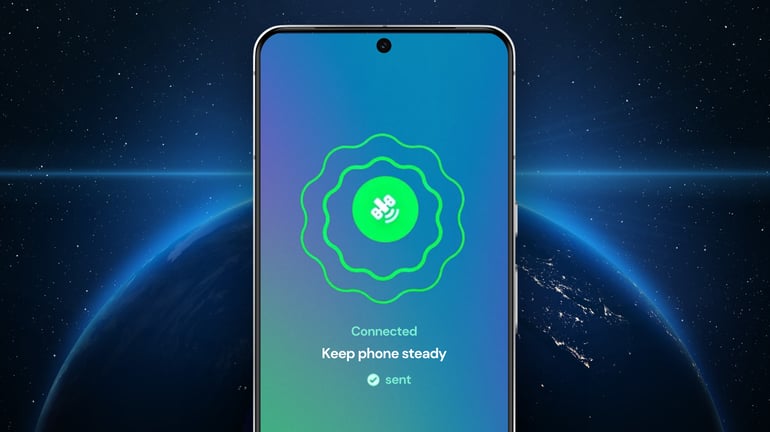
Imagine a mobile subscriber trekking deep in the Alps or sailing 50 miles offshore. Normally, their smartphone would display no mobile coverage.
In an ideal world powered by satellite D2C, that subscriber is never truly off the grid. They can easily send a "home safe" text message from a remote mountain peak or check live weather maps in the middle of the ocean.
So, What Is Satellite Direct-to-Cell (D2C)?
Satellite Direct-to-Cell (D2C) allows standard smartphones to connect directly to satellites in orbit without extra accessories, special apps, or external dish equipment.
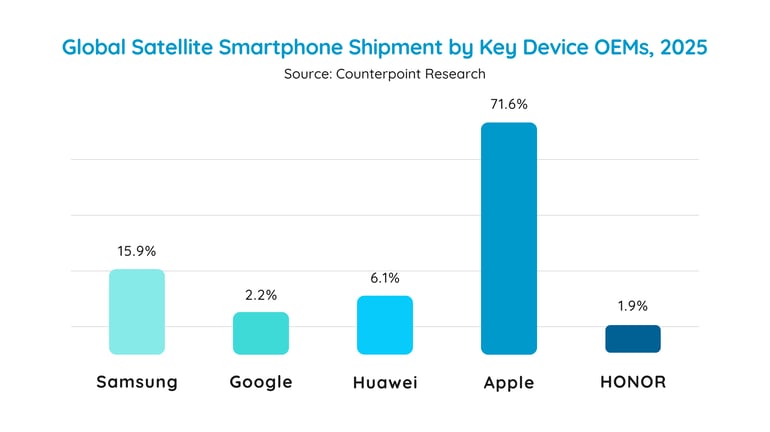
Hardware adoption is moving fast. Over 400 million smartphones are already satellite-capable, with Apple handsets making up around 80% of these devices since launching satellite features on the iPhone 14 in 2022.
As device OEMs like Samsung, Google, Huawei, and Apple expand these tools, analysts project that satellite connectivity will reach 46% of all smartphones shipped globally by 2030. Smartwatches are following close behind, with satellite-capable wearables expected to grow from 2% of shipments in late 2025 to 28% by 2030.
Major carrier partnerships are turning space connectivity into reality. While operators initially forged separate paths, such as T-Mobile launching satellite services with Starlink, and AT&T and Verizon partnering with AST SpaceMobile and Skylo, the market has entered a new phase of collaboration. In a major industry shift, the big three US carriers have agreed to form a joint venture to pool spectrum resources and create a unified platform for satellite connectivity. Globally, operators like Telstra, Entel, O2, KDDI and Rogers are following a similar approach, treating satellite providers as seamless extensions of their mobile networks.
Why Carriers and End-Users Need Satellite D2C
For mobile users, satellite connectivity brings safety, peace of mind, and reliable communication during travel or terrestrial network outages.
For mobile carriers, satellite D2C delivers clear commercial and operational advantages:
-
Attract high-value subscribers: Win over customers who value remote safety while encouraging existing subscribers to move to higher-tier mobile plans.
-
Maximise smartphone value: Increase overall user satisfaction and encourage upgrades to satellite-capable flagship devices.
-
High-margin revenue growth: Live carrier pricing models imply a 15% to 30% uplift on contract average revenue per user (ARPU). In fact, GSMAi survey data suggests consumers are willing to pay around 10% more per month for satellite safety features.
-
Build strategic brand trust: Position carrier’s brand as a dependable partner that keeps customers safe anywhere in the world.
-
Complete network coverage: Eliminate coverage blind spots and fill critical gaps in traditional mobile coverage maps.
Why Entitlement Is Essential for Satellite D2C
Connecting a standard mobile phone to space requires proper device validation and technical configuration. Satellite entitlement acts as the bridge that checks whether a customer's plan includes satellite access and automatically feeds the correct network parameters directly to the handset.
Without Entitlement, satellite capabilities remain completely inactive on the device, leaving subscribers stranded without access to emergency connectivity when they need it most.
Carriers need Entitlement to be able to use satellite features on Android and iOS, both ecosystems have standardised on that approach. With an entitlement server in place, the phone automatically switches to space connectivity as soon as Wi-Fi and mobile signals drop out. Mobile carriers retain subscriber-level control, allowing them to manage and tailor specific features such as satellite voice, SMS, RCS, or mobile data.
Examples of Satellite Connection Triggers
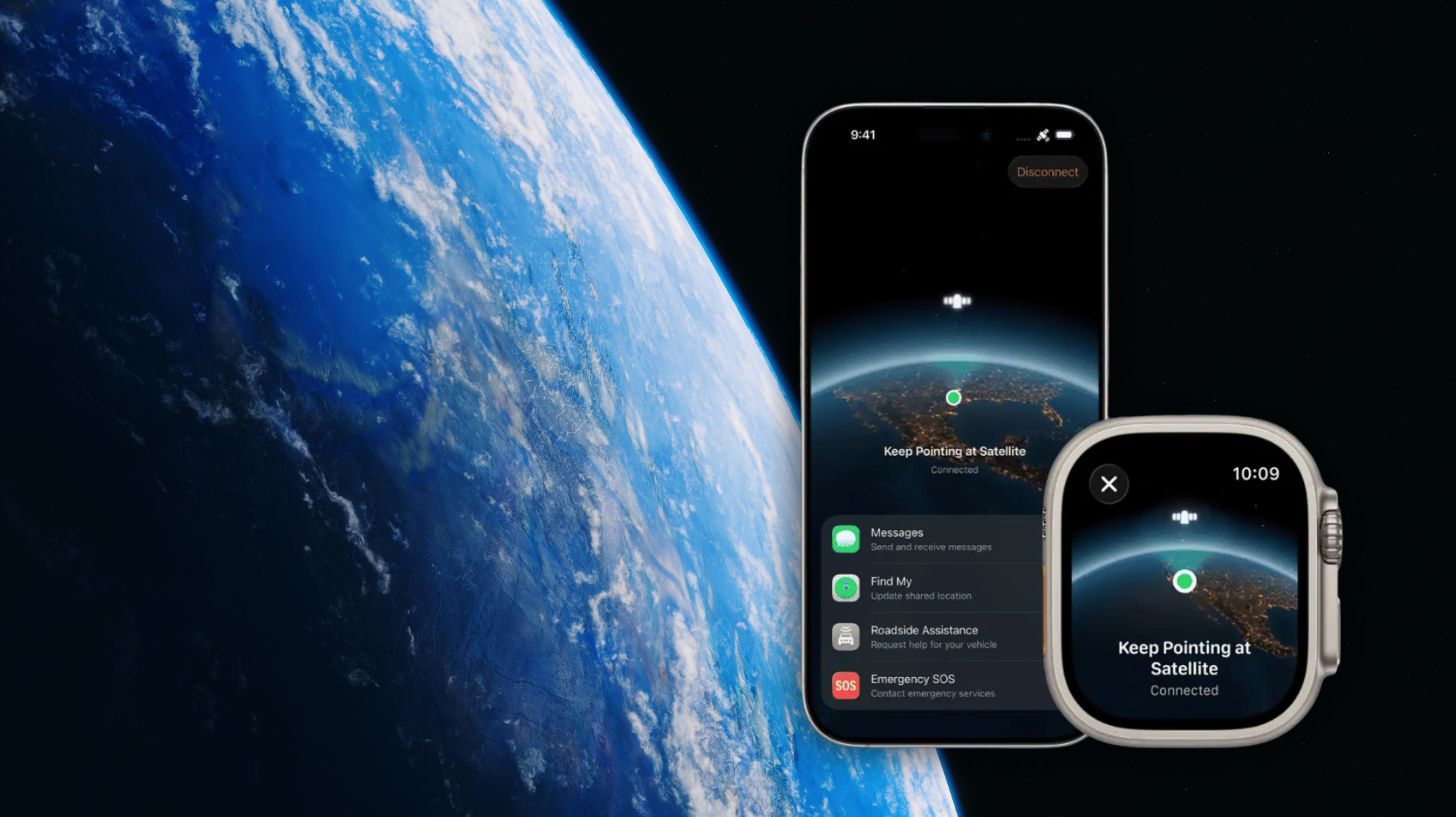
How does a smartphone know when to start a satellite connection? The process relies on clear operational triggers, for example:
-
Direct user actions: A user manually turns on satellite features through the device settings menu.
-
Actions causing system responses: A user dials emergency services like 911 with no cell service, which prompts the device system to suggest satellite connection.
-
Automatic system triggers: The device automatically detects signal loss and location context, activating satellite options without direct user requests.
-
Emergency override triggers: During large-scale natural disasters, carriers and regulators can grant satellite access to all compatible phones in the affected area.
- Messaging-specific triggers: Requests to send SMS, MMS, or small multimedia messages over a satellite link.
How Easy to Add Satellite Services into Mobile Network?
Integrating satellite connectivity into your existing network does not require long or complex technical projects. NetLync’s Entitlements-as-a-Service® (EaaS®) enables mobile carriers to integrate a satellite use case in as little as 4 weeks.
By choosing EaaS®, carriers benefit from faster launches, pay-as-you-grow pricing, and full self-service control with our technical support. Contact us today to see how easily your network can launch satellite services and keep subscribers connected everywhere.
Learn more about Satellite Entitlement: https://www.netlync.com/satellite